


Have you ever had something important to say… but stayed quiet anyway?
Me too.
For a long time, I thought staying quiet was easier. Safer. Less awkward. Less likely to get me in trouble or judged.
But here’s the thing: staying quiet doesn’t make the world easier.
It just makes you feel smaller.
Finding your voice isn’t about suddenly being loud or perfect. It’s about learning to speak up, even when it feels scary, even when your words might wobble.
Why We Lose Our Voices
We start losing our voices early — sometimes before we even realize it:
- Being told to “sit down and listen” too many times.
- Feeling judged when we express opinions that are different.
- Comparing ourselves to people who are naturally outspoken.
- Worrying too much about what others think.
It all builds up until one day, you realize you’ve been whispering for so long that your own thoughts start feeling small.
The Cost of Staying Silent

Staying quiet seems safe, but it comes with a price:
- Missed opportunities to share your ideas.
- Bottled-up feelings that explode at the worst moments.
- A constant feeling of “invisible” or “not enough.”
Your voice matters, even if it’s not loud, even if it shakes, even if it’s just a small idea in a big conversation.
How I Started Finding Mine
1. Small Steps Count
I didn’t start with speeches or debates. I started by:
- Answering questions in class, even if my hand shook.
- Sharing opinions in group chats.
- Telling a friend how I really felt instead of just agreeing with them.
Every little bit built confidence. Every time I spoke up, my voice felt a little less like a whisper.
Get tiabella’s stories in your inbox
Join Medium for free to get updates from this writer.Subscribe
2. Practice Without Judgement
Talking to yourself in the mirror. Journaling your thoughts. Even recording yourself reading your ideas aloud.
It sounds silly, but practice makes your voice stronger — even if no one’s listening yet.
3. Surround Yourself With Support
Find people who listen, encourage, and challenge you.
The right friends or mentors make it easier to take risks with your voice.
4. Accept That Mistakes Happen
Your voice isn’t perfect. Sometimes you stumble, sometimes you’re awkward, sometimes people don’t get it. And that’s okay. Every misstep teaches you how to communicate better.
Why It’s Worth It
Finding your voice isn’t just about being heard. It’s about:
- Owning your ideas.
- Standing up for yourself and others.
- Feeling more confident in your own skin.
- Realizing your thoughts and opinions matter.
Even small acts — like asking for what you need, expressing your feelings, or saying no — count as using your voice.
Final Thought
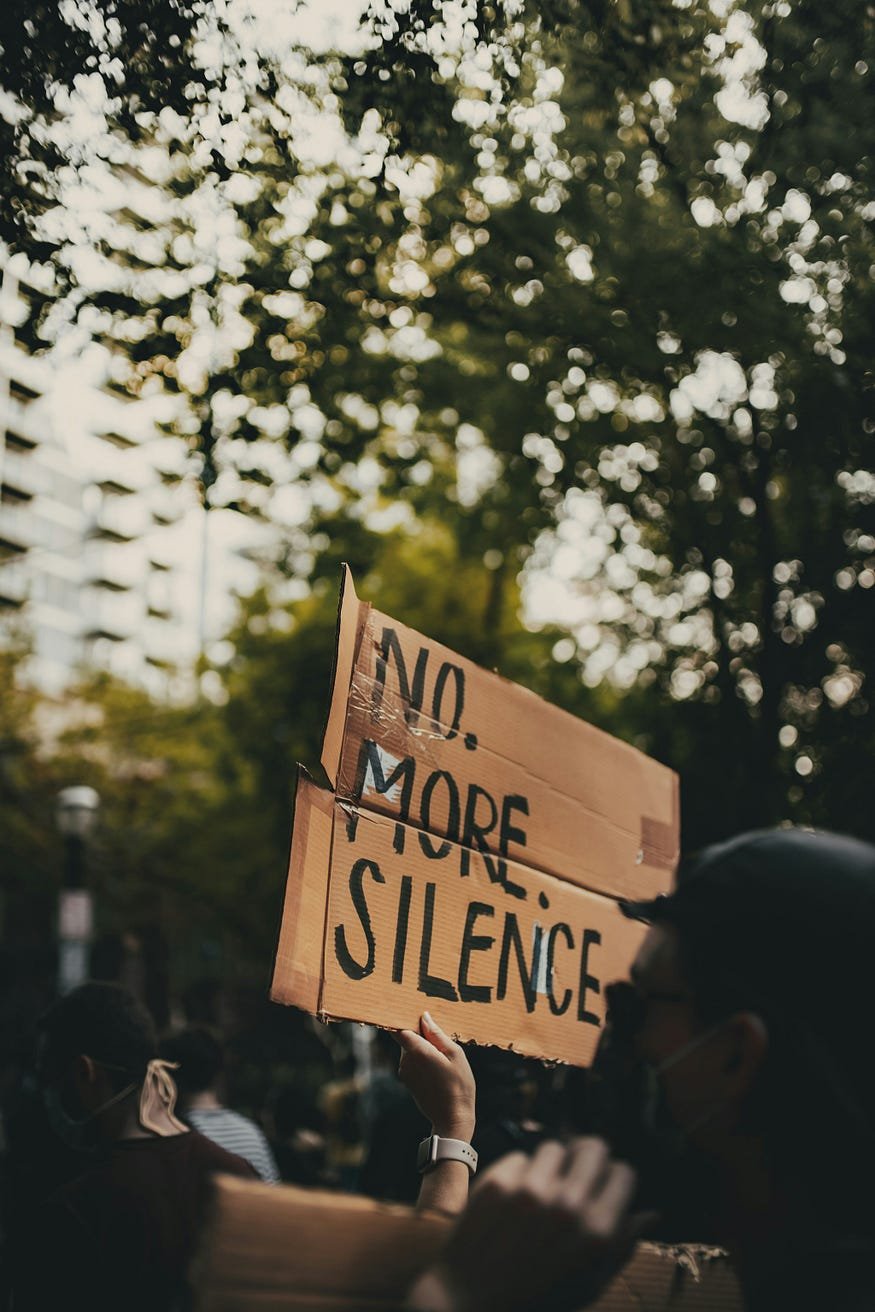
Your voice is part of who you are.
It doesn’t need to be perfect. It doesn’t need to be loud. It just needs to be yours.
Start small. Speak honestly. Take up space.
The world is better when you stop whispering and start sharing your story.
And remember: every time you speak up, you’re helping someone else find their voice too.